Field notes
How it actually worked
Settlement ran through a centralized escrow with multi-signature bitcoin custody and legally binding trust agreements sitting over it, so custody and title transfer were enforceable in a court rather than only on a chain. No smart contracts, no on-chain proofs. The counterparties were title companies and regulators, and they needed instruments they could already read.
Lending ran off dedicated debt facilities rather than customer deposits. That was the design decision the rest depended on: it meant a purchase could be funded without rehypothecating anyone's coins, and without a price move triggering a margin call against a borrower's house.
We wrote the compliance protocol in-house, with encrypted KYC and AML pipelines through established identity providers, which kept verification automated without turning the customer file into a liability.
El Salvador
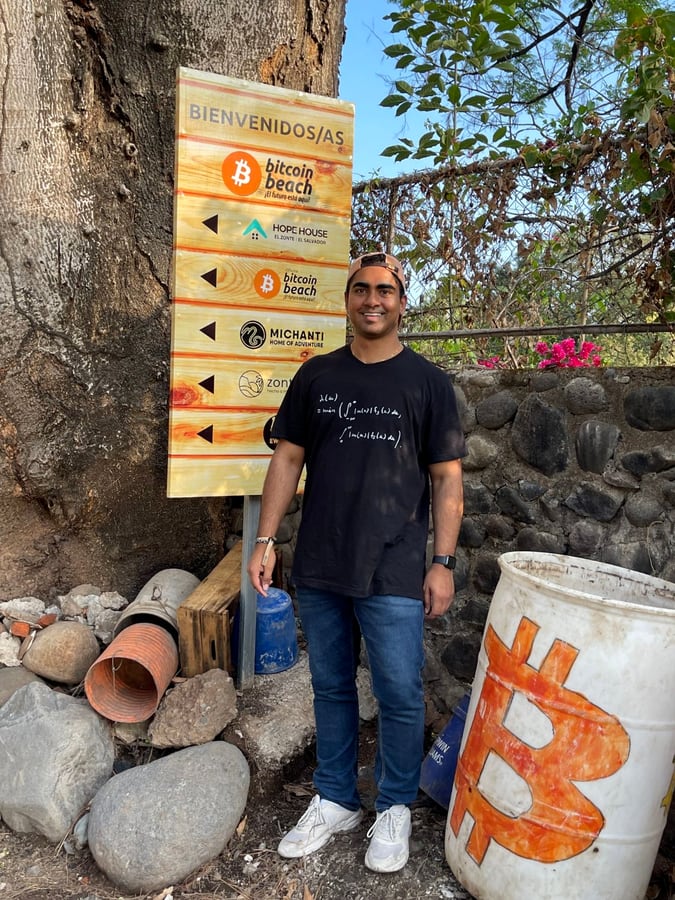
The government of El Salvador invited us to bring bitcoin mortgages to the country. Over two weeks in the spring of 2022 I presented bitcoin mortgage products to the President of the Central Bank of El Salvador, Douglas Pablo Rodriguez, and his executive staff at the Central Bank in San Salvador, and to senior officials at the Ministry of Small Economy, where the meeting ended with an agreement to analyze a pilot. I also presented to the Ministry of Housing, and met President Nayib Bukele at a luncheon for bitcoin companies. The meetings were arranged through CoinHomes investors including Lightning Ventures.
Two brands, one underwriter
The hard part was that a borrower can be genuinely wealthy and still fail a mortgage application, because the wealth sits in an asset the lender has no process for. Bitcoin is one such asset. Private company stock is another: an engineer at SpaceX or Stripe can earn $180,000 a year while sitting on $30 million of equity, and because the company is not publicly traded, that person barely qualifies for a $1 million mortgage.
So the company ran two front doors onto one book. CoinHomes served bitcoin holders. SelectHomes underwrote wealthy individuals sitting on private company stock, from any big private company, without making them sell. Same custody logic, same escrow, same debt facilities, same compliance work. Only the collateral and the customer differed.
How it ended
About fourteen months in, the Biden administration introduced rules that made properties collateralized against alternative assets ineligible for Fannie Mae and Freddie Mac. Every bank and mortgage lender in the country sells into those two, so overnight we had to fund the loans ourselves.
Endowments and family offices priced our paper as high risk even though every loan sat one to one against bitcoin or private company stock, and our cost of capital went from three to five per cent to thirteen. Customers who had been ready to close said they would wait for rates to correct.
What made it different
The work sat in the transaction stack itself: title search, escrow, underwriting and the debt structure behind each loan. I built through all four.